Horiuchi Ophthalmic Surgery Group

Restoring clear vision,
with surgical certainty.

Horiuchi Ophthalmic Surgery Group

We perform cataract surgery, ICL (Implantable Collamer Lens), and vitrectomy at multiple medical institutions.

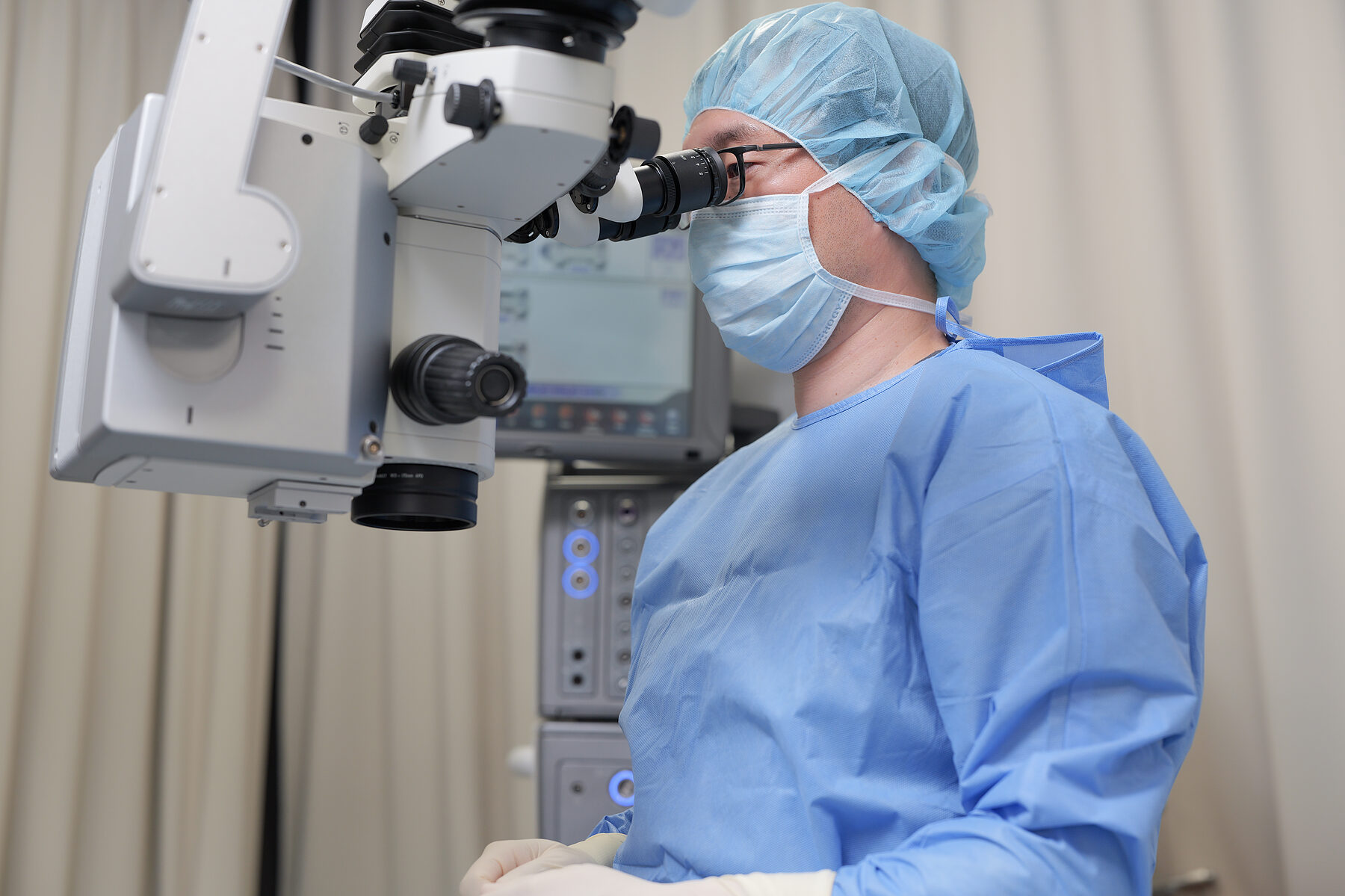
Dr. Naoki Horiuchi performing surgery under a microscope
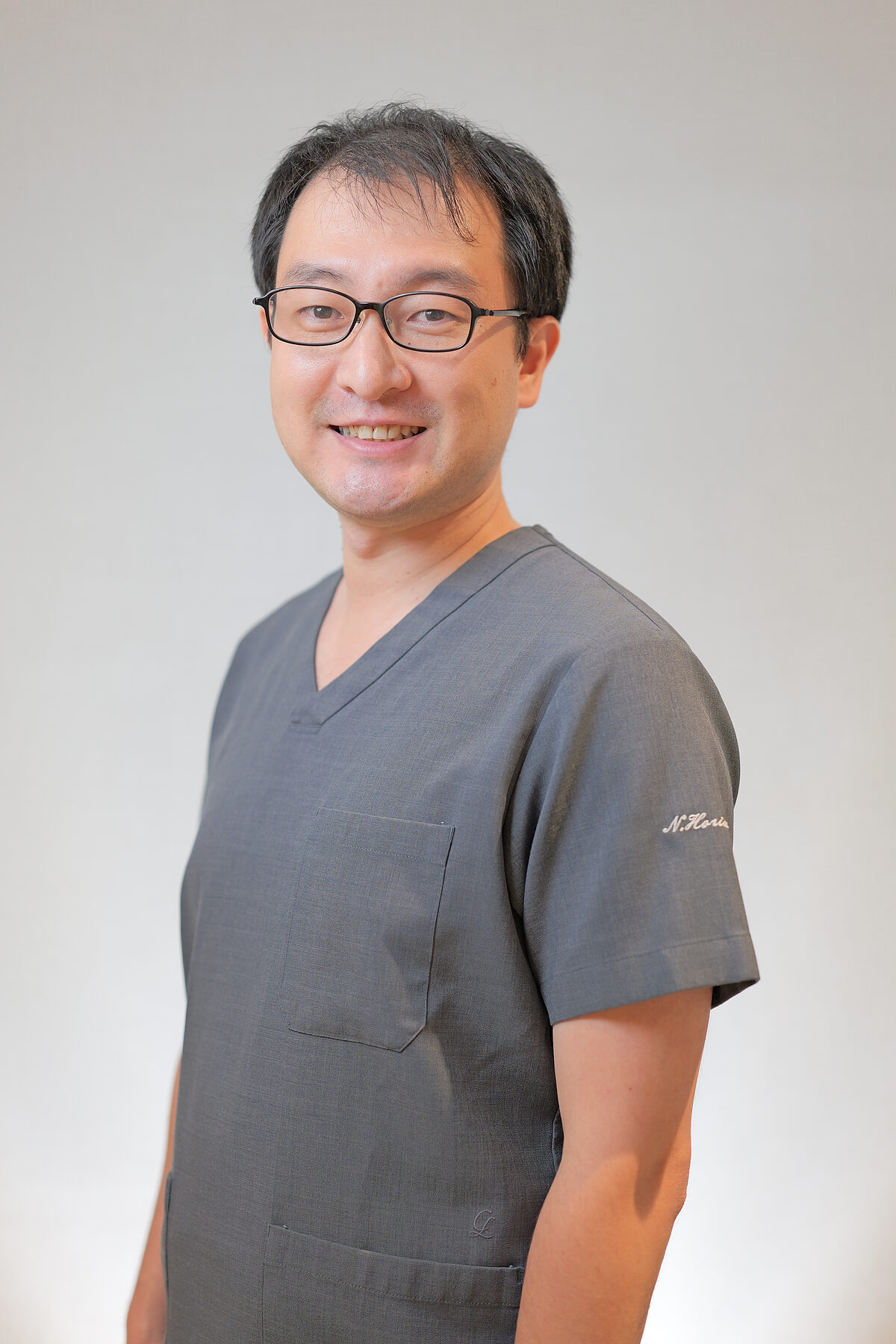
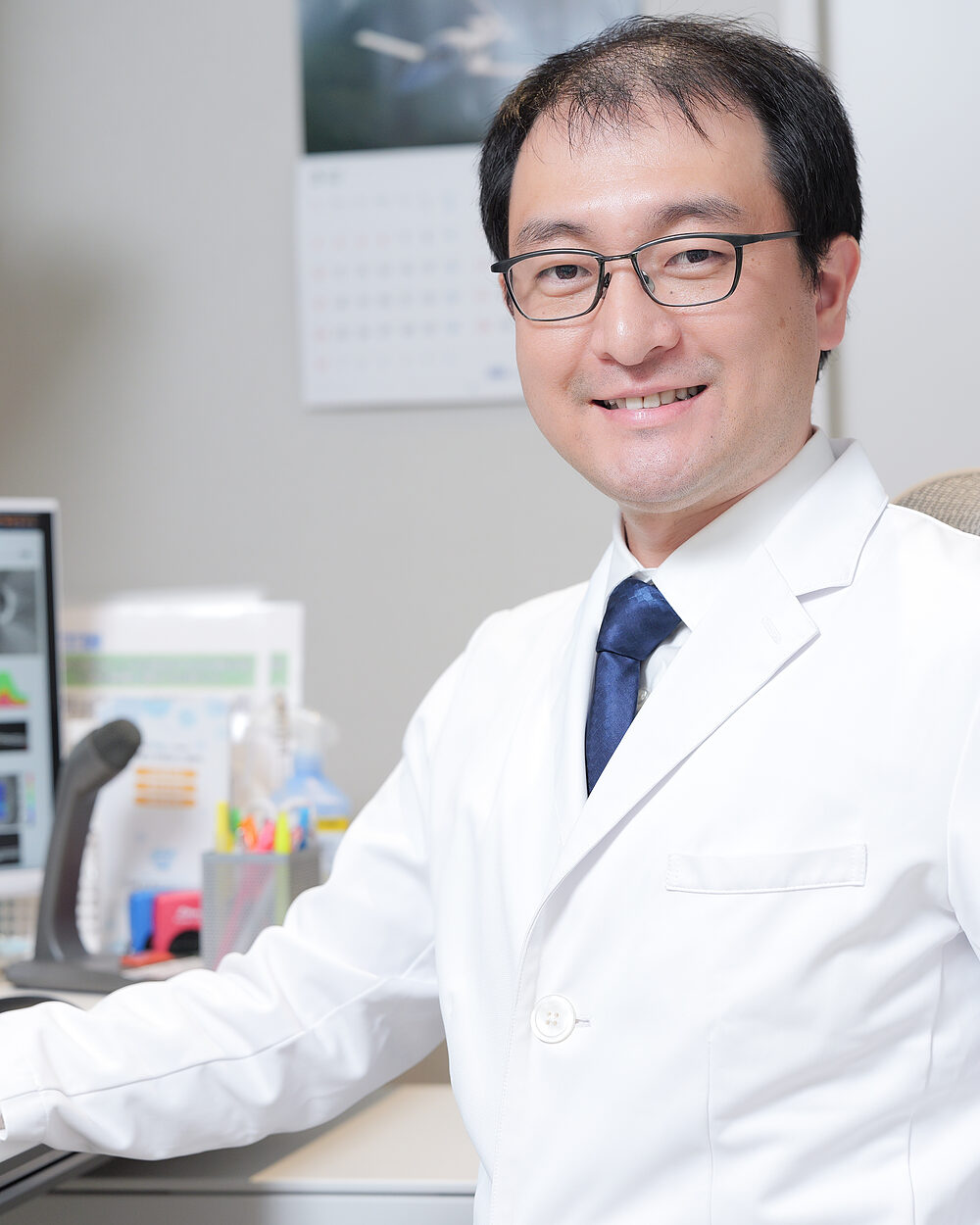
Portrait of Dr. Naoki Horiuchi
Statement

Trusted surgical options,
for every patient.

Eye surgery is medicine that restores something we all take for granted: the ability to see. That is why we are committed to facing each patient's case with sincerity and to selecting the most appropriate surgical technique and intraocular lens for every individual.

Focusing on cataract and vitreoretinal surgery, I have performed a large number of procedures every year. By operating at multiple medical institutions, we also work to create an environment where patients can undergo surgery with confidence at a location that is convenient for them.

Naoki Horiuchi, M.D.
Surgical Record

Surgical Results

Cataract
approx.1,100cases
Cataract surgeries per year
Cumulative approx.15,000cases
Vitreous
150cases
Vitrectomies per year
Cumulative approx.2,000cases
Affiliations
7facilities
Affiliated medical institutions

* Annual figures are fiscal year 2025 results; cumulative figures are the total number of cases Dr. Naoki Horiuchi has performed to date across multiple medical institutions.

Surgical Procedures

Our Procedures

01

Cataract Surgery

Cataract Surgery

The clouded crystalline lens is removed by phacoemulsification (ultrasound) and replaced with an intraocular lens. Day surgery is available, and we perform a large number of these procedures every year.

Learn more
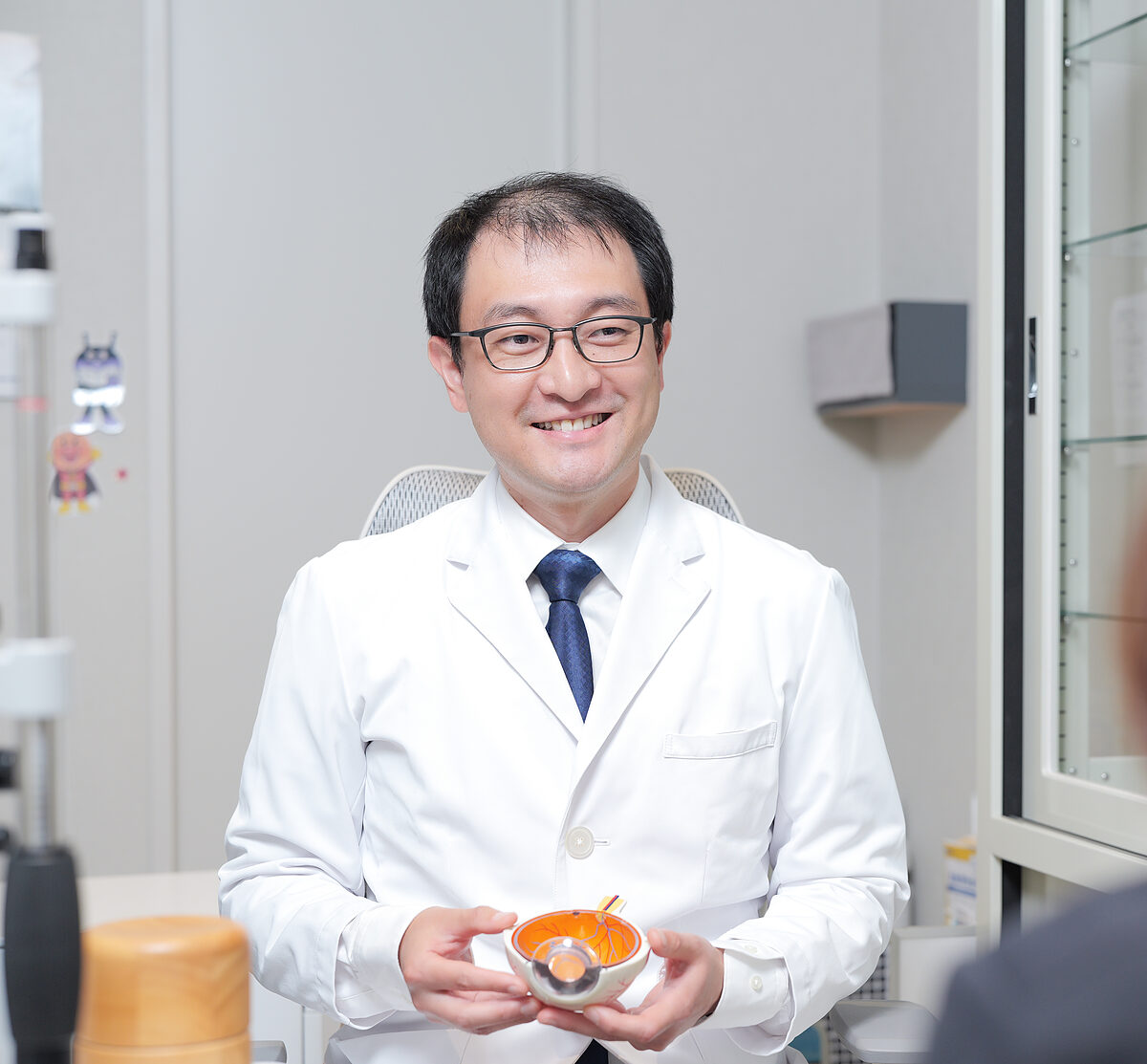
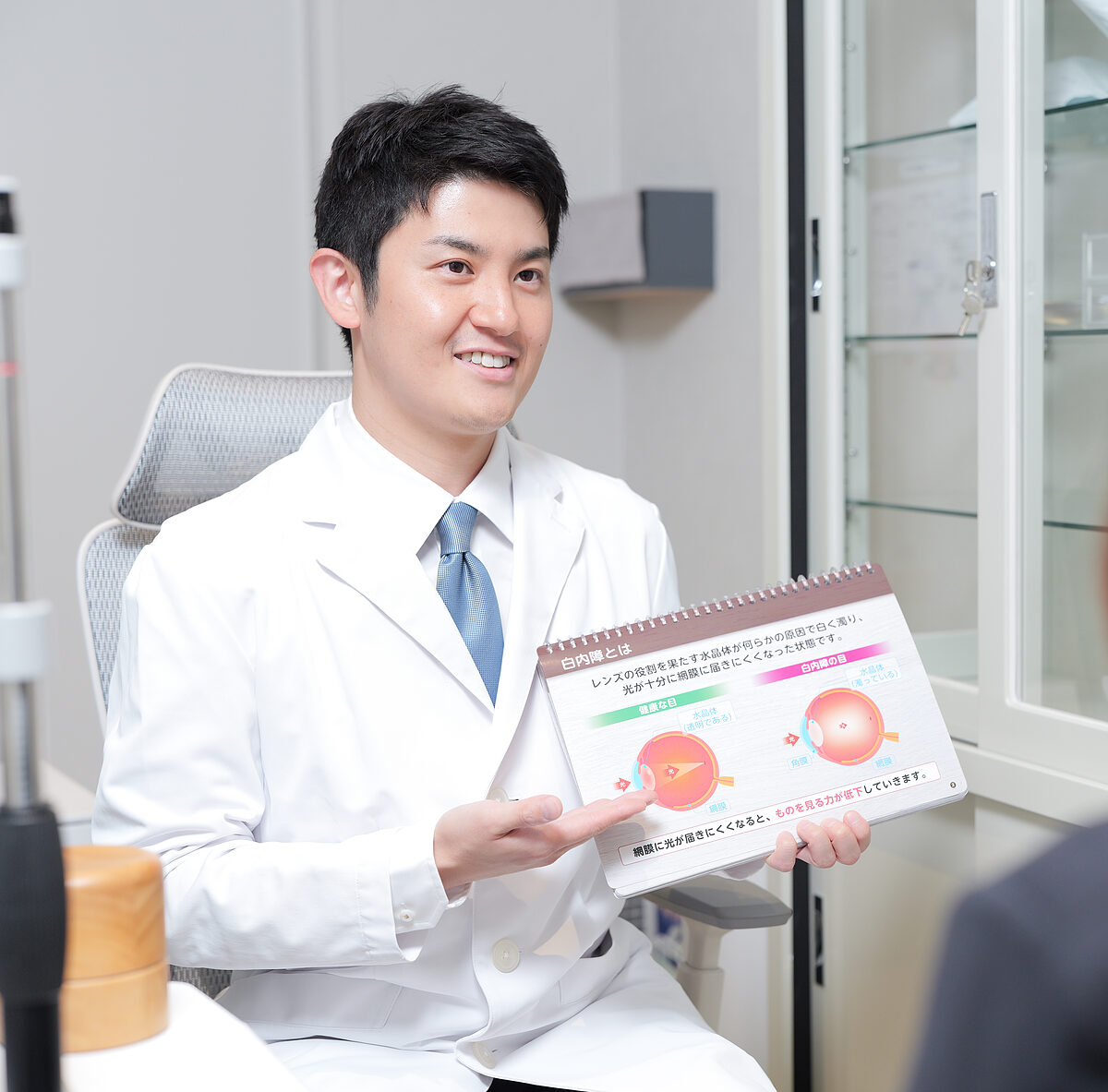
Dr. Naoki Horiuchi explaining cataracts

What Is a Cataract?

A cataract is a condition in which the eye's natural lens (the crystalline lens) becomes cloudy, most commonly with age, causing symptoms such as blurred or hazy vision, increased sensitivity to glare, and reduced visual acuity. While aging is the main cause, cataracts can also develop as a result of diabetes, long-term steroid use, or eye injury.

Our View on the Right Timing for Cataract Surgery

In our view, the time to consider surgery is essentially when you can no longer do the things you used to be able to do.

Everyone's lifestyle is different — hobbies, work, how often you drive, the sports you play. This means that even with the same degree of cataract, the right time for surgery is different for each person.

There is no need to put up with your symptoms just because "the vision test numbers aren't bad" or "the doctor said it can wait." Conversely, if you have been urged to have surgery early because "the cataract has already started," yet it is not affecting your daily life and you are unsure whether you really need surgery now, please feel free to come and talk with us.

Duration & Hospitalization

Surgery takes about 5–7 minutes per eye. Depending on your preference and general health, our group offers both day surgery and surgery with a short hospital stay. Inpatient care is available at Kitasato Institute Hospital.

Complex and Advanced Cases

We can handle most cases that are often referred to university hospitals as "difficult cataracts" — advanced cases (mature or hypermature cataracts), patients with systemic conditions, and more.

Possible Complications

Reported complications include posterior capsule opacification (a decline in vision occurring months to years after surgery, treatable with a laser), postoperative infection (endophthalmitis), intraocular bleeding, and retinal detachment — all of which are rare. We will explain these fully before surgery.

Cataract surgery details

02

Toric & Multifocal IOL

Toric & Multifocal Intraocular Lens

We offer toric IOLs for astigmatism correction and multifocal IOLs for both distance and near vision, and we recommend the lens best suited to your lifestyle.

Learn more
Dr. Ryo Kato explaining the types of intraocular lenses

Types of Intraocular Lenses (IOLs)

  • Monofocal IOL (covered by insurance): The standard lens, focused at a single distance — far or near. Glasses are used for other distances after surgery.
  • Toric IOL (covered by insurance): A lens that corrects significant corneal astigmatism.
  • Multifocal IOL (selective treatment): Provides focus at multiple distances — far and near — greatly reducing dependence on glasses.
  • Trifocal IOL (selective treatment): Distributes focus across three points: far, intermediate, and near.
  • Extended depth-of-focus IOL (EDOF) (selective treatment): A new-generation lens that prioritizes natural vision and reduces nighttime glare.

How to Think About Lens Selection

  • A lifestyle centered on reading, computer work, or smartphones → a multifocal IOL is a strong option
  • A job involving frequent nighttime driving → consider a monofocal IOL with glasses, or an extended depth-of-focus lens
  • A lifestyle centered on sports and the outdoors → a multifocal IOL is also worth considering

Approximate Costs (Self-Paid Portion)

Under Japan's "selective treatment" (sentei ryoyo) system, a multifocal IOL adds an out-of-pocket lens fee on top of the usual insurance-covered cost. Depending on the type of lens, this is approx. ¥300,000–¥400,000 per eye (JPY), varying by facility and lens.

Points to consider: With multifocal IOLs, some people experience "halos" — rings of light around lights at night — or "glare," an uncomfortable sensitivity to bright light. Contrast sensitivity may also be slightly reduced, so we explain these effects in advance and ask about your lifestyle in detail.

Toric & multifocal IOL details

03

ICL (Implantable Collamer Lens)

Implantable Collamer Lens

A refractive procedure that corrects high myopia and astigmatism by implanting a lens inside the eye, without removing corneal tissue. Also an option for those who are not candidates for LASIK.

Learn more

What Is ICL?

ICL (Implantable Collamer Lens) is a refractive procedure that corrects myopia and astigmatism by placing a dedicated lens between the iris and the crystalline lens. Because no corneal tissue is removed, the lens can be taken out later if your refraction changes — making this a reversible procedure.

How ICL Differs from LASIK

  • LASIK: reshapes the corneal surface with a laser to change refraction (irreversible)
  • ICL: implants a lens inside the eye without removing corneal tissue (reversible)

Who Is a Good Candidate?

  • People with high myopia who have been told they are not candidates for LASIK
  • People with thin or irregularly shaped corneas
  • People who struggle with dry eye
  • People who want to keep options open for future changes in their vision

The Surgical Procedure

  1. Preoperative examinations (corneal endothelial cell count, anterior chamber depth measurement, precise refraction testing)
  2. Anesthetic eye drops
  3. A small incision is made in the cornea
  4. The folded lens is inserted and positioned behind the iris
  5. The incision seals itself (no sutures required)

Duration & Hospitalization

A day procedure taking about 20 minutes for both eyes. Most people return to their daily routine the next day.

Approximate Costs (Not Covered by Insurance)

Approx. ¥500,000–¥700,000 for both eyes (JPY), varying with the type of lens and whether astigmatism correction is included. Details will be provided at your consultation.

Possible complications: Early cataract formation, elevated intraocular pressure, and infection have been reported in rare cases. We assess these risks through preoperative testing and evaluate candidacy carefully.

ICL details

04

Vitrectomy

Vitreous Surgery

We perform minimally invasive surgery for vitreous and retinal conditions, including retinal detachment, diabetic retinopathy, epiretinal membrane, and macular hole.

Learn more

Main Conditions Treated

  • Retinal detachment
  • Diabetic retinopathy (proliferative retinopathy, tractional retinal detachment)
  • Epiretinal membrane (macular pucker)
  • Macular hole
  • Vitreous hemorrhage
  • Diabetic macular edema
  • Proliferative vitreoretinopathy

Emergency Care

For urgent conditions such as retinal detachment, we accept patients whenever possible — even outside regular hours — and surgery can be performed as soon as the same day. If you are in need of care, or if you are a medical institution considering a referral, please do not hesitate to contact us.

Our Approach: Micro-Incision Vitrectomy

Our group uses 25-gauge / 27-gauge micro-incision vitrectomy. Because the incisions are extremely small — about 0.4 mm — no sutures are needed, recovery is faster, and postoperative discomfort is reduced.

The Surgical Procedure

  1. Preoperative examinations (OCT, fluorescein angiography, ultrasound, etc.)
  2. Local anesthesia (general anesthesia for some cases)
  3. Three micro-incisions are made in the sclera
  4. The vitreous is removed with a vitrectomy cutter
  5. As needed: retinal reattachment, membrane peeling, laser photocoagulation, and filling of the eye with gas or silicone oil

Duration & Hospitalization

Depending on the case, surgery takes about 20 minutes to 2 hours.

Our group generally performs vitrectomy as day surgery. However, at Kitasato Institute Hospital, Kawasaki Municipal Kawasaki Hospital, and Yokohama Municipal Citizen's Hospital, surgery is performed on an inpatient basis.

Possible Complications

Reported complications include endophthalmitis, progression of cataract, retinal tears or detachment, and elevated intraocular pressure, though advances in minimally invasive surgery have lowered their incidence.

After surgery: If a gas tamponade is used, you will need to maintain a face-down position for a certain period. You also cannot travel by airplane while gas remains in the eye. We will explain the details before surgery.

Vitrectomy details

Our Surgeons

Our Surgeons

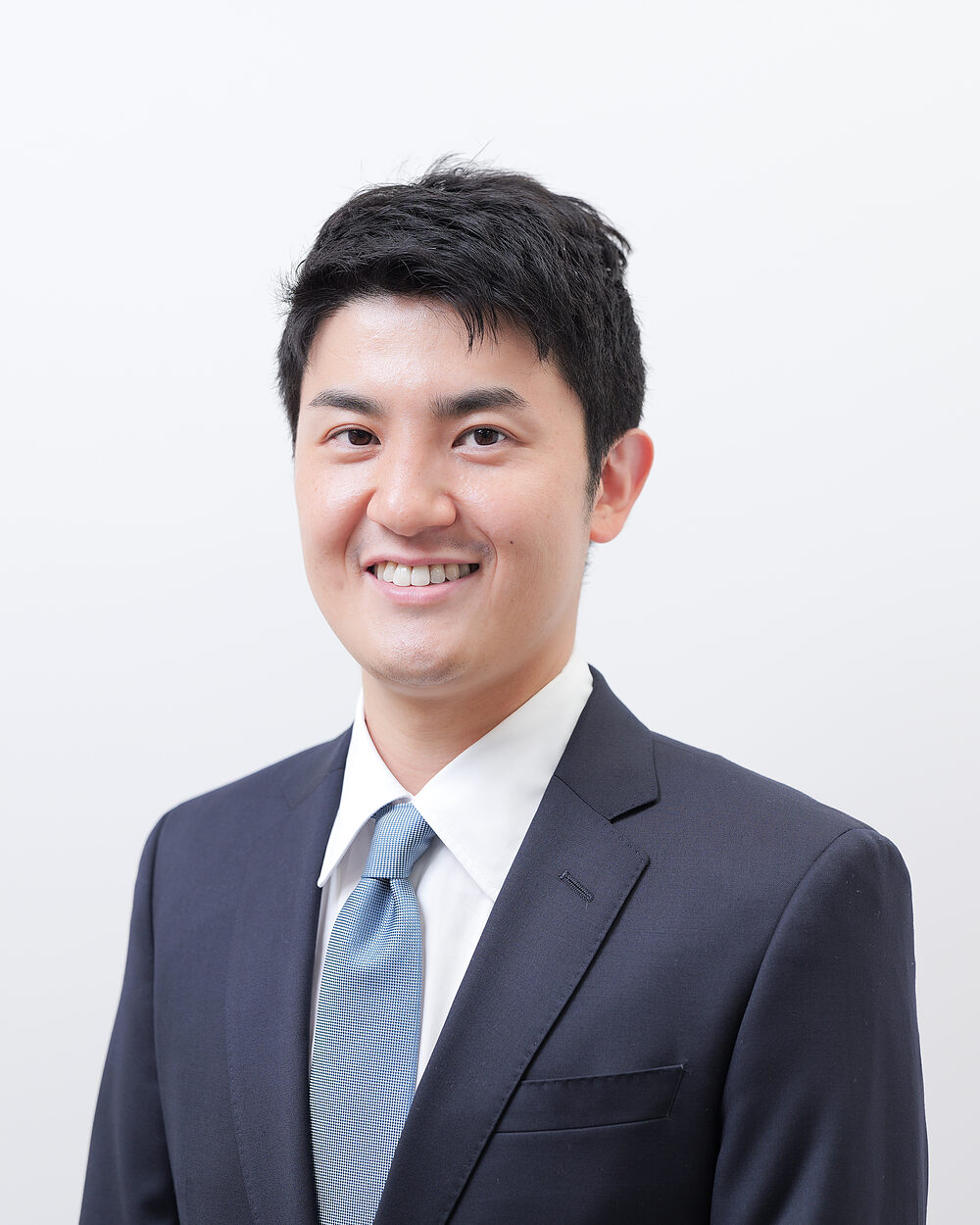
Dr. Naoki Horiuchi
Director

Naoki Horiuchi Naoki Horiuchi, M.D.

After graduating from Gunma University School of Medicine, Dr. Horiuchi joined the Department of Ophthalmology at Keio University. Having trained at several major hospitals, he now performs more than 1,100 surgeries a year, centered on cataract and vitreoretinal surgery. He is committed to facing each patient's case with sincerity.

Career
  • Born in Nagano Prefecture
  • Graduated from Nagano Prefectural Ueda High School
  • Graduated from Gunma University School of Medicine
  • Initial residency, Suwa Red Cross Hospital
  • Joined the Department of Ophthalmology, Keio University
  • Department of Ophthalmology, Keio University Hospital
  • Department of Ophthalmology, Ashikaga Red Cross Hospital
  • Head of Ophthalmology, Kawasaki Municipal Kawasaki Hospital
  • Retina Fellow, Department of Ophthalmology, Keio University Hospital
  • Department of Ophthalmology, Yokohama Municipal Citizen's Hospital
  • Department of Ophthalmology, Kitasato Institute Hospital
Certifications
  • Board-certified ophthalmologist, Japanese Ophthalmological Society
  • ICL-certified surgeon
  • PDT-certified physician
Memberships
  • Japanese Ophthalmological Society
  • Japan Ophthalmologists Association
  • Japanese Society of Ophthalmic Surgeons
  • Japanese Retina and Vitreous Society
Dr. Ryo Kato
Surgeon

Ryo Kato Ryo Kato, M.D.

After graduating from Kyoto Prefectural University of Medicine, Dr. Kato joined the Department of Ophthalmology at Keio University. A board-certified ophthalmologist who has trained at several major hospitals, he has built his experience around cataract surgery and is dedicated to attentive, patient-centered care.

Career
  • Graduated from Azabu High School
  • Graduated from the Faculty of Law, The University of Tokyo
  • Graduated from Kyoto Prefectural University of Medicine
  • Completed initial clinical residency, Yokohama Municipal Citizen's Hospital
  • Joined the Department of Ophthalmology, Keio University
  • Keio University Hospital
  • Saitama Medical University Hospital
  • Yokohama Municipal Citizen's Hospital
  • Kitasato University Kitasato Institute Hospital
Certifications
  • Board-certified ophthalmologist
  • CTR-certified surgeon
Memberships
  • Japanese Ophthalmological Society
  • Japan Ophthalmologists Association
  • Japanese Society of Ophthalmic Surgeons
Dr. Momoko Kasamatsu
Surgeon

Momoko Kasamatsu Momoko Kasamatsu, M.D.

After graduating from Nippon Medical School, Dr. Kasamatsu joined the Department of Ophthalmology at Nippon Medical School Hospital. Through positions at Musashi-Kosugi Hospital and as an assistant professor at the university hospital, she has also trained in oculoplastic (eyelid) surgery. She currently serves as Director of Nippori Eye Clinic Shin-Koiwa.

Career
  • Graduated from Nippon Medical School
  • Initial residency, Tokyo Medical and Dental University
  • Initial residency, Omori Red Cross Hospital (rotation program)
  • Joined the Department of Ophthalmology, Nippon Medical School Hospital
  • Ophthalmology resident, Nippon Medical School Hospital
  • Nippon Medical School Musashi-Kosugi Hospital
  • Assistant Professor, Nippon Medical School Hospital
  • Kawagoe Eye Surgery and Eyelid Clinic
  • Director, Nippori Eye Clinic Shin-Koiwa
Certifications
  • Board-certified ophthalmologist, Japanese Ophthalmological Society
  • Ph.D. in Medicine
  • Designated physician under the Act on Welfare of Physically Disabled Persons
  • Botox-certified physician
  • CTR (capsular tension ring)-certified surgeon
Memberships
  • Japanese Ophthalmological Society
  • Japan Ophthalmologists Association
Clinical Affiliations

Hospitals & Clinics

01
Yoga Horiuchi Eye Clinic (Cataract Surgery Clinic) Opening May 2027 Yoga, Setagaya-ku, Tokyo
Procedures: Cataract Vitreoretinal ICL
Surgeons
Horiuchi Director
Kato Deputy Director
Coming soon
02
Anjo Eye Clinic Surgery to begin in late 2026 Daito-cho, Anjo, Aichi (LaLaport Anjo 1F)
Procedures: Cataract
Surgeons
Horiuchi Surgeon
Official Site
03
Nippori Eye Clinic Group
Surgeons
Horiuchi Chief Surgical Officer
  • Musashi-Urawa Saitama City, Saitama Cataract Vitreoretinal Official Site ↗
  • Shin-Koiwa Katsushika-ku, Tokyo Cataract Vitreoretinal Kasamatsu Director / Cataract surgery Official Site ↗
  • Kagoshima-Tenmonkan Kagoshima City, Kagoshima Cataract Vitreoretinal Official Site ↗
Group Site
04
Yamato Hospital Kiryu, Gunma
Procedures: Cataract Vitreoretinal
Surgeons
Horiuchi Chief of Ophthalmology / Outpatient care & surgery
Kato Outpatient care & surgery
Kasamatsu Outpatient care & surgery
Coming soon
05
Kitasato Institute Hospital Minato-ku, Tokyo
Procedures: Cataract Vitreoretinal
Surgeons
Horiuchi Outpatient care & surgery
Kato Outpatient care & surgery
Ophthalmology Page
06
Yokohama Municipal Citizen's Hospital Yokohama, Kanagawa
Procedures: Cataract Vitreoretinal
Surgeons
Horiuchi Visiting surgeon
Kato Visiting surgeon
Ophthalmology Page
07
Kawasaki Municipal Kawasaki Hospital Kawasaki, Kanagawa
Procedures: Cataract Vitreoretinal
Surgeons
Horiuchi Visiting surgeon
Ophthalmology Page
FAQ

Frequently Asked Questions

Can surgery be done as a day procedure?

Cataract surgery takes about 5–7 minutes per eye and is available as day surgery. Depending on your preference and general health, a short hospital stay is also available (at Kitasato Institute Hospital). Vitrectomy is also generally performed as day surgery, though at Kitasato Institute Hospital, Kawasaki Municipal Kawasaki Hospital, and Yokohama Municipal Citizen's Hospital it is performed on an inpatient basis.

When should I have cataract surgery?

In our view, the time to consider surgery is when you feel you can no longer do the things you used to be able to do. Because everyone's lifestyle is different, the best timing differs from person to person, even with the same degree of cataract. There is no need to put up with symptoms just because of test numbers — and equally, there may be no need to rush. If you are unsure, please come and talk with us first.

How much does surgery cost?

Cataract surgery using monofocal or toric IOLs is covered by Japanese national health insurance. If you choose a multifocal IOL under the "selective treatment" system, an additional out-of-pocket cost of approx. ¥300,000–¥400,000 per eye (JPY) applies, depending on the lens. ICL is not covered by insurance, with a guideline cost of approx. ¥500,000–¥700,000 for both eyes (JPY), varying with the type of lens and whether astigmatism correction is included.

Do multifocal intraocular lenses have drawbacks?

Some people experience "halos" — rings of light around lights at night — or "glare," an uncomfortable sensitivity to bright light. Contrast sensitivity may also be slightly reduced, so we explain these effects carefully in advance, ask about your lifestyle in detail, and then recommend the lens that fits you best.

I have been told I have a retinal detachment. Can you operate right away?

For urgent conditions such as retinal detachment, we accept patients whenever possible, even outside regular hours, and surgery can be performed as soon as the same day. If you are in need of care, or if you are a medical institution considering a referral, please do not hesitate to contact us.

Which hospital or clinic should I visit?

Please choose the affiliated hospital or clinic that is easiest to reach from where you live. Our list of hospitals and clinics shows the procedures offered and the surgeons at each facility. Please check each institution's official website or phone desk for how to visit, consultation hours, and whether appointments are required.

Contact

Contact

For Patients

Patients and families considering surgery

For consultations about cataract surgery, ICL, or vitrectomy, please visit the affiliated hospital or clinic nearest you. After an examination, we will recommend a surgical approach and intraocular lens suited to your symptoms and wishes.

For Doctors

Physicians considering a referral

To refer a patient, please contact the regional liaison office or outpatient department of the relevant affiliated institution. For urgent cases such as retinal detachment, we accept patients whenever possible and can operate as soon as the same day.

* This website does not accept individual medical consultations or appointments. Please check each institution's official website or phone desk for how to visit, consultation hours, and whether appointments are required.

Opening Announcement

Yoga Horiuchi Eye Clinic

May 2027

Dr. Horiuchi will open his own clinic in Yoga, Setagaya-ku, Tokyo. Details will be announced as preparations for the opening progress.

View in our hospitals & clinics list